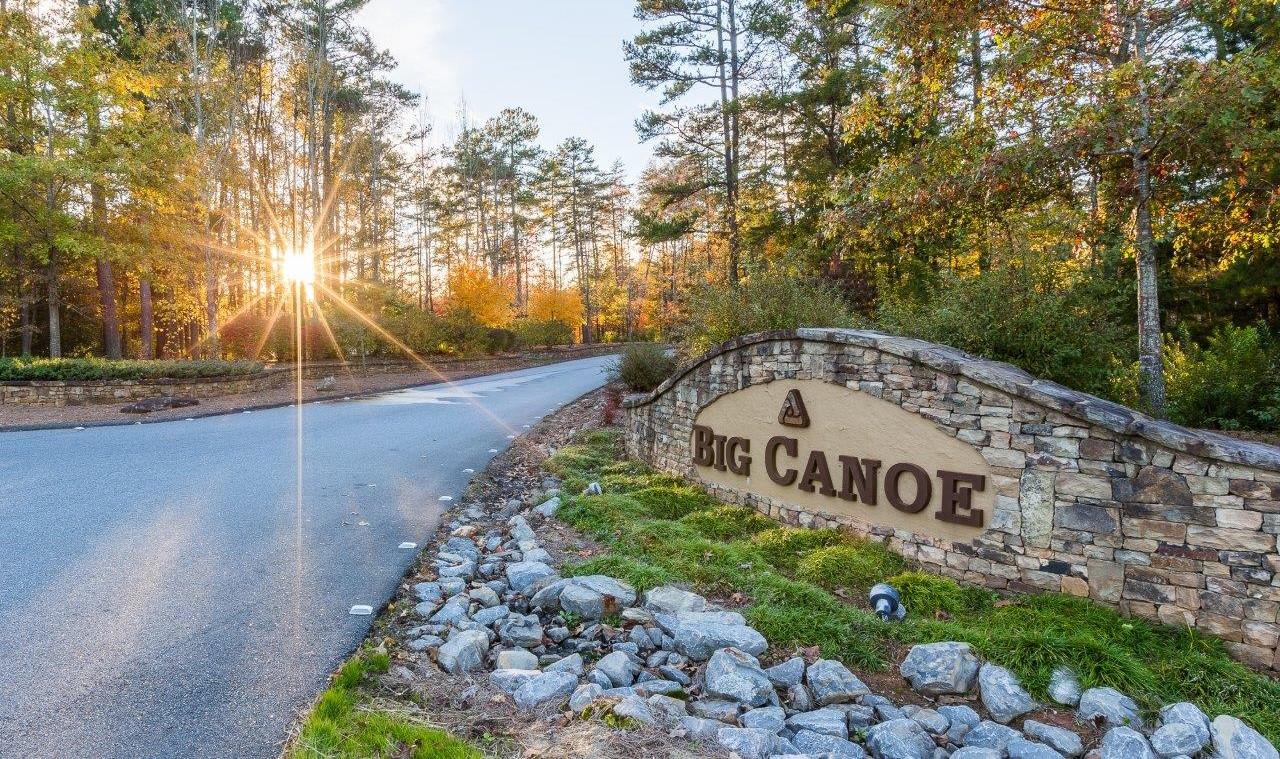
If you have been thinking about a mountain retreat that feels usable year-round, Big Canoe likely keeps coming up for good reason. For many buyers, the challenge is not whether the setting is beautiful, but whether a second home there will truly fit how you want to live, visit, host, and budget. This guide will help you think through the key questions, from amenities and property types to rental rules and carrying costs, so you can make a more confident decision. Let’s dive in.
Why Big Canoe Works for Second Homes
Big Canoe is a gated private residential community stretching across Pickens and Dawson Counties, and the Property Owners Association clearly presents it as a place for full-time living, part-time living, and mountain escapes. That matters if you want a home that supports weekend use, seasonal stays, or a longer-term plan for future relocation. The community’s access routes to Atlanta by way of I-75 and GA 400 also reinforce its appeal for owners who expect to come and go regularly.
A second home here is about more than the house itself. The POA provides community services, operates amenities, and maintains common property and assets. If you are comparing Big Canoe to a standalone mountain property, this is an important difference because your ownership experience includes the systems, rules, and support structure of the community.
Amenity Fit Matters
One of the biggest reasons buyers consider Big Canoe for a second home is the range of amenities. Current POA amenity information includes 27 holes of golf, a racquet club with tennis and pickleball courts, outdoor aquatics, a wellness center, a marina on Lake Petit, bocce, fishing, and 25 miles of trails. There are also parks and recreation spaces, including Wildcat Recreation Area.
For a second-home buyer, that mix can support many different visit styles. You may want active weekends, quiet nature-focused stays, or a place where several generations can gather without everyone needing the same schedule. Big Canoe gives you options that can make a shorter stay feel full and worthwhile.
The marina and trail network add flexibility as well. The POA notes that fishing day passes and boat or watercraft rentals are available, and the trail system includes both paved paths and forest footpaths. If you do not want every visit to revolve around one club activity, that variety can be a real advantage.
Membership or Pay-Per-Use?
Big Canoe allows owners to choose between membership and pay-per-use for individual amenities. That is especially useful for second-home owners because your ideal setup may depend on how often you visit and how you spend your time while you are there.
The 2026 membership provisions include golf, racquet, pickleball, bocce, and wellness memberships. Some out-of-state membership versions are also available for owners whose primary residence is outside Georgia. If you live elsewhere most of the year, that is worth exploring early in your search.
A simple way to think about it is this:
- If you plan frequent visits and know you will use specific amenities often, membership may make sense.
- If your visits will be occasional or varied, pay-per-use may be the better fit.
- If you are buying with extended family in mind, consider how different age groups will use the community.
Choosing the Right Property Type
Big Canoe offers a range of property choices, including cottages, custom homes, condominiums, homesites for new construction, and larger private lots. For second-home buyers, this usually comes down to one main question: do you want a ready-to-enjoy property or a place you can shape over time?
A condo, cottage, or more turnkey home may appeal if you want simpler arrival and departure for shorter stays. A custom home or homesite may be a better fit if you have a specific long-term vision and are willing to take on more planning. Neither path is automatically better. The right answer depends on how hands-on you want to be.
Look Beyond the Interior
In Big Canoe, you should evaluate more than finishes, views, and bedroom count. The community is architecturally and environmentally controlled, and exterior changes and landscape work, including tree and shrub removal, should be cleared through AECD. The community also keeps basic home information that may include colors, septic information, and a site plan.
The 2026 AEC standards go deeper into site-related issues such as grading, drainage, septic tank and field-line location, and county septic permits. In a mountain setting, those details can shape what you can do with the property later. A home that looks simple on paper may involve real constraints when it comes to expansion, drainage work, driveway changes, or landscaping plans.
Before you buy, ask direct questions about:
- Septic location and status
- Slope and grading conditions
- Drainage patterns
- Driveway placement and access
- Tree protection or removal limits
- Required approvals for exterior work
Budgeting for Ownership
Second-home budgeting in Big Canoe should go beyond mortgage, taxes, and insurance. Amenity fees, POA-related costs, and possible assessments all deserve your attention before you commit.
The 2026 membership provisions state that membership can involve a reinstatement fee, an annual membership fee, and other user charges. Annual fees are generally billed in monthly installments. The same documents note that members who become 60 days past due lose amenity usage rights, and memberships can be canceled after 90 days past due.
Big Canoe policy also contemplates special assessments, reserve assessments, and board-designated capital assessments. That does not mean such costs will affect every owner in the same way at the same time, but it does mean you should avoid building a budget around only your loan payment and tax estimate. There is no single universal all-in dues figure in the public materials cited here, so it is wise to verify current dues, fee categories, and any special assessments directly with the POA.
Property Tax for a Second Home
Georgia property tax is based on 40% of fair market value. In Pickens County, the regular homestead exemption subtracts $5,000 from assessed value, but homestead treatment is tied to a legal residence that is actually occupied as your primary residence. For most true second-home buyers, that means you should not assume homestead treatment will apply.
Pickens County also requires homestead applications to be filed by April 1 to be effective for the current tax year. If your Big Canoe property later becomes your primary residence, that deadline becomes important.
If you receive a new assessment notice after closing, timing matters. Pickens County assessment notices can be appealed within 45 days of the notice date, so you should review any notice promptly rather than setting it aside for later.
Weather Readiness Is Part of the Plan
Mountain ownership often comes with extra planning, and Big Canoe is no exception. The POA’s weather guidance recommends signing up for county alerts, keeping backup power or heat, protecting pipes from freezing, and avoiding travel during icy conditions because elevation changes can create black ice.
For a second-home owner, this matters even more if the house may sit vacant between visits. You want a realistic plan for cold weather, power interruptions, and access conditions before you need one. The POA also notes that if residents cannot reach their homes due to weather, public safety may be able to help with transport, and emergency shelter may be available on an emergency basis.
A practical mountain-home checklist includes:
- Freeze protection for pipes
- Backup heat or power planning
- Weather alert sign-up
- Travel flexibility during winter events
- A property care plan for times you are away
Rental Use Requires Careful Review
If you may rent your second home at some point, even occasionally, you should separate three different uses in your mind: personal guest use, long-term rental use, and short-term rental use. In Big Canoe, those are not treated the same.
Gate access is limited to property owners, guests of property owners, or rental home guests. Under the 2026 rules, a short-term lease is 30 days or less, and a long-term lease is 31 days or more. Owners must complete annual lease registration before executing a residential lease and renew it by January 31.
Failure to complete that process can trigger a fine of up to $1,000 and may prevent guests from entering. The rules also state that short-term tenants cannot authorize access for other people, and owners must authorize access for everyone not already on the access list. If flexibility for visitors is a big part of your second-home plan, this is an area to understand clearly before buying.
Long-Term and Short-Term Rental Differences
For long-term rentals, the amenity membership provisions state that the owner’s consent and a signed lease copy are required before the lessee can add amenity memberships. Once completed, renters can have normal access to amenities under the owner’s terms.
Short-term rental use brings county obligations as well. Pickens County requires short-term rental operators to register the business, obtain a business license, and remit hotel or motel tax by the 20th day of the month following the reporting month. The county also requires a monthly report even if there were no bookings, unless a third-party manager is handling tax remittance on the owner’s behalf.
If rental income is part of your decision, be careful not to treat it as a casual add-on. The access rules, registration process, and county tax obligations all deserve review before you rely on any projected income.
Questions to Ask Before You Buy
A strong second-home decision usually comes down to asking better questions early. In Big Canoe, these are some of the most important ones:
- Will you use amenities often enough to justify membership, or is pay-per-use a better fit?
- Do you want a turnkey property, a lock-and-leave option, or a homesite for future construction?
- Does the property have septic, and what site constraints could affect future changes?
- Are you budgeting for dues, fees, possible assessments, and weather-readiness costs?
- Do you expect to use the property only for family and guests, or might you also rent it?
- If you do rent it, will that use be short-term or long-term?
- Are you assuming any tax treatment that only applies to a primary residence?
These are the kinds of details that can shape your ownership experience far more than a beautiful view alone. The right property is not just attractive on showing day. It should also work cleanly with your lifestyle, budget, and long-term plans.
If you are weighing a second home in Big Canoe, a careful advisory approach can make the process much smoother. The right strategy starts with understanding how you plan to use the property, then matching that plan to the right home, community rules, and ownership costs. When you are ready for a thoughtful, detail-driven conversation, Harden Group is here to help you evaluate the opportunity with clarity.
FAQs
What makes Big Canoe appealing for a second home?
- Big Canoe is designed to support full-time and part-time living, with gated access, community services, maintained common areas, and a wide amenity mix that fits weekend, seasonal, and multigenerational use.
What amenities are available in Big Canoe for part-time owners?
- Current POA materials list golf, tennis, pickleball, bocce, outdoor aquatics, a wellness center, a marina on Lake Petit, fishing, parks, and 25 miles of trails, with both membership and pay-per-use options available for certain amenities.
What should buyers know about Big Canoe property changes and approvals?
- Big Canoe is an architecturally and environmentally controlled community, so exterior changes and some landscape work should be reviewed through AECD, and property details such as septic, grading, drainage, and site constraints can affect future plans.
How do property taxes work for a second home in Pickens County?
- Georgia property tax is based on 40% of fair market value, and the regular Pickens County homestead exemption generally applies only if the property is your primary residence, not a true second home.
What are the rental rules for a second home in Big Canoe?
- Big Canoe distinguishes between short-term leases of 30 days or less and long-term leases of 31 days or more, and owners must complete annual lease registration before executing a residential lease.
What does Pickens County require for short-term rentals?
- Pickens County requires short-term rental operators to register the business, obtain a business license, remit hotel or motel tax, and submit monthly reporting unless a third-party manager handles tax remittance.
What extra costs should second-home buyers budget for in Big Canoe?
- In addition to mortgage, taxes, and insurance, buyers should review amenity fees, possible reinstatement charges, monthly-billed annual fees, user charges, possible assessments, and weather-readiness expenses.
What weather issues should second-home owners in Big Canoe plan for?
- The POA advises owners to prepare for freezing temperatures, black ice, backup heat or power needs, and occasional travel limitations during winter weather events.